Every September in Bessemer City, the same instinct arrives with the first cool morning: the sun-lightened summer blonde suddenly looks washed out, and darker, richer hair feels right. Seasonal darkening is one of the healthiest changes you can make, because going darker deposits color rather than lifting it out, which is gentler on the hair. Done well, it is a shift in depth and dimension. Done carelessly, it is a flat, inky coat that takes until spring to undo.
The real options, compared
| Method | What it does | Best for | Coming back lighter |
|---|---|---|---|
| All-over darker color | One shade root to end, full commitment | A clear, uniform change and gray coverage | Slowest; artificial pigment must lift out or grow out |
| Lowlights | Darker strands woven through your existing color | Depth and dimension while keeping some lightness | Easiest; lightness is already in place underneath |
| Root shadow / melt | Deeper root blended down into lighter ends | A softer grow-out and a seasonal feel without full change | Moderate; ends are already light, roots blend out |
| Gloss or toner | Translucent tone that deepens and enriches temporarily | Trying the darker direction with the least commitment | Fades on its own over weeks, the simplest exit |
Depth is not the same as dark
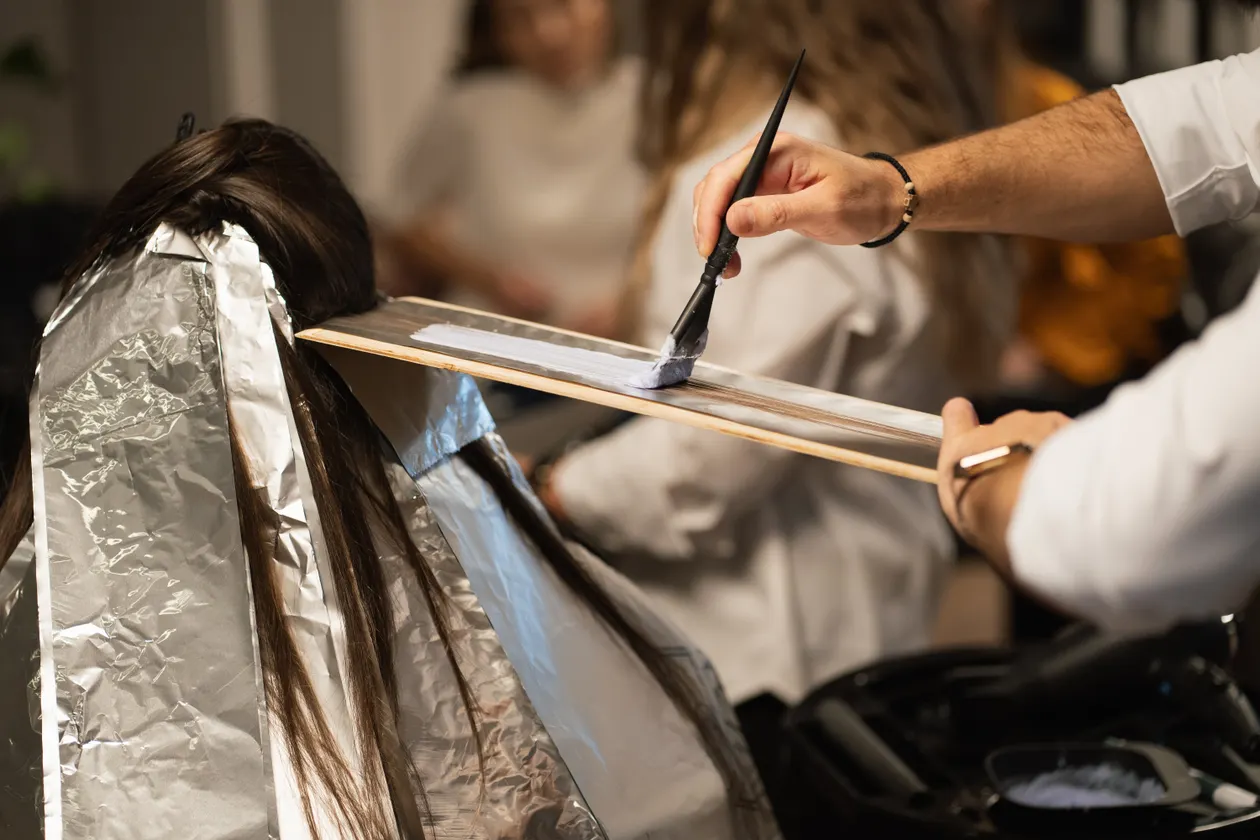
The fall shades people point to in photos almost always have dimension: a deeper base, variation through the mid-lengths, and enough lightness kept around the face to stop the color reading flat. Taking every strand to one dark level removes all of that variation at once, and hair that was built from highlights can go muddy or uneven as the new color grabs porous ends harder than healthy roots. Filling is part of the craft here. Hair that has been lightened needs warm underlying pigment put back before a darker shade will hold evenly and richly, which is why a salon darkening over blonde often involves two steps where a box promises one.
Why seasonal shifts are gentler than full changes
Moving two or three levels deeper, keeping your tone family, and preserving some of your existing lightness asks far less of the hair than a dramatic swing, and it leaves the spring return trip short. Clients who go darkest in October and demand lightest by May set up an annual cycle of deposit and harsh removal that hair tolerates poorly after a few rounds. A seasonal rhythm instead: deepen in fall by depositing, brighten in spring by lifting modestly from a base that never went too dark. The hair stays healthier, and both looks read intentional rather than extreme.
Timing and upkeep through the season
Book the fall change after summer's last swim-heavy weeks, so chlorine and sun stop fighting the new tone immediately. Freshly darkened hair fades fastest in the first washes, so cooler water, gentle color-safe shampoo, and fewer scalding showers in the first fortnight protect the investment of effort. Reds and rich warm browns, the classic fall choices, are also the fastest-fading families, so plan on gloss refreshes through the season if you want the richness to hold to the holidays. A salon like Hair Shack can pair the change with a trim, which removes the porous summer ends that would otherwise grab color unevenly.
Matching the shade to your skin and your summer hair
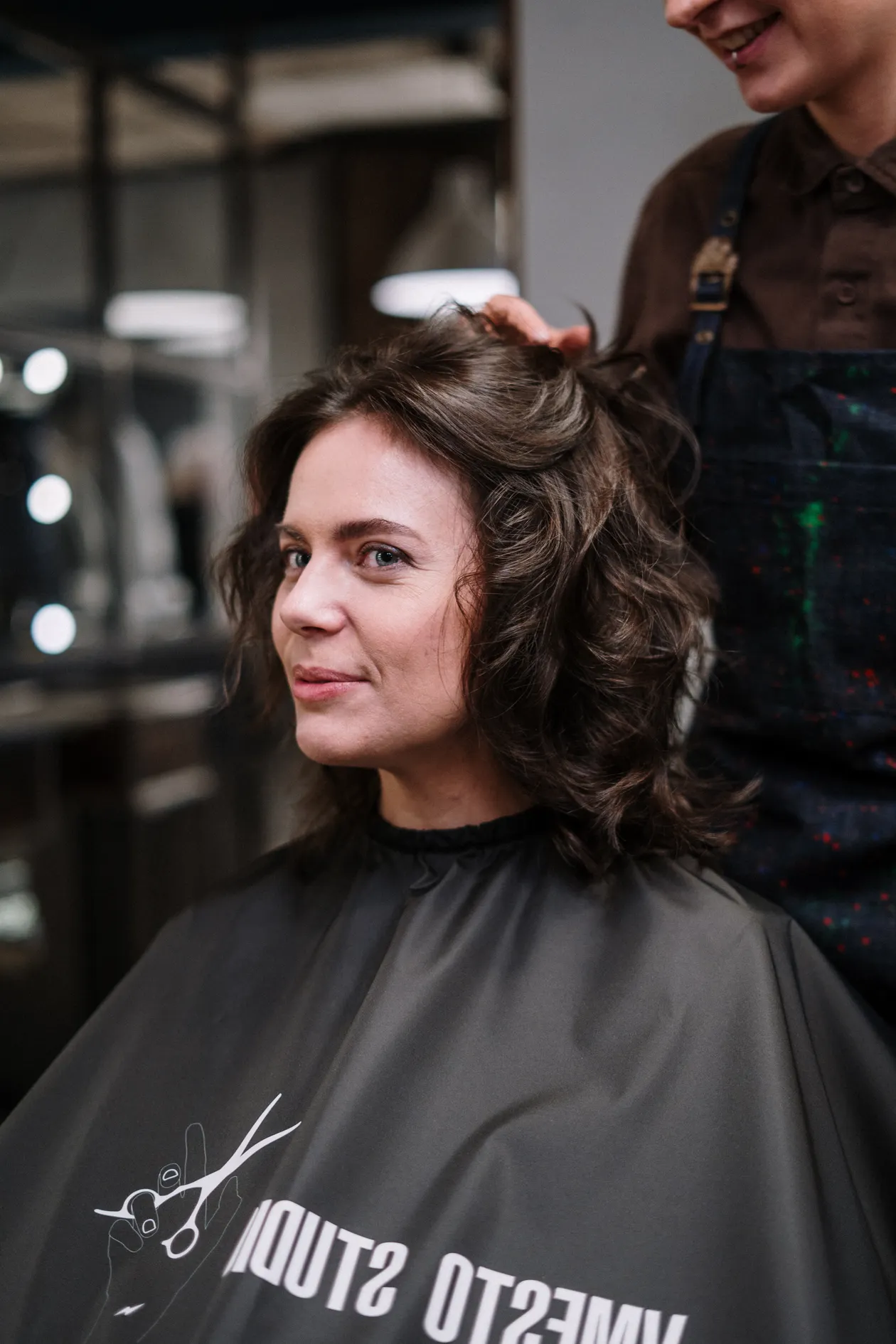
Summer hair is rarely one color, and fall color should not pretend otherwise. Sun-lightened pieces around the face often deserve to stay a touch lighter than the rest, even in a darker overall look, because they keep the face bright and the change flattering rather than heavy. Ask your stylist to show you the chosen level against your skin in natural light, ideally near a window, since salon lighting flatters almost everything and daylight is where you will actually live in the color.
Also consider what the summer did to your ends before choosing the depth. Porous, sun-stressed ends grab dark pigment and can land a full level deeper than the roots on the same formula. A stylist may apply a lighter hand, a different formula, or a fill to the ends for exactly this reason. If your plan includes a significant trim, doing it before the color means the new shade is built on the hair you are keeping, and none of the fresh depth is cut away a week later.
Common questions
Can I go darker over my highlights in one visit?
Usually yes, and it is often a two-step process over lightened hair so the new shade holds evenly instead of fading patchy or muddy within weeks.
Will going darker make my hair healthier?
Depositing color is gentler than lifting it, and the process can make hair feel smoother temporarily. It does not repair existing damage, which still needs trims and care.
How hard is it to go light again in spring?
That depends on how dark and how permanent you went. Lowlights and glosses reverse easily; a full dark permanent color lifts out slowly, so choose with spring in mind.
Photos in this guide are representative stock images.
← All guides from Hair Shack← Back to Hair Shack